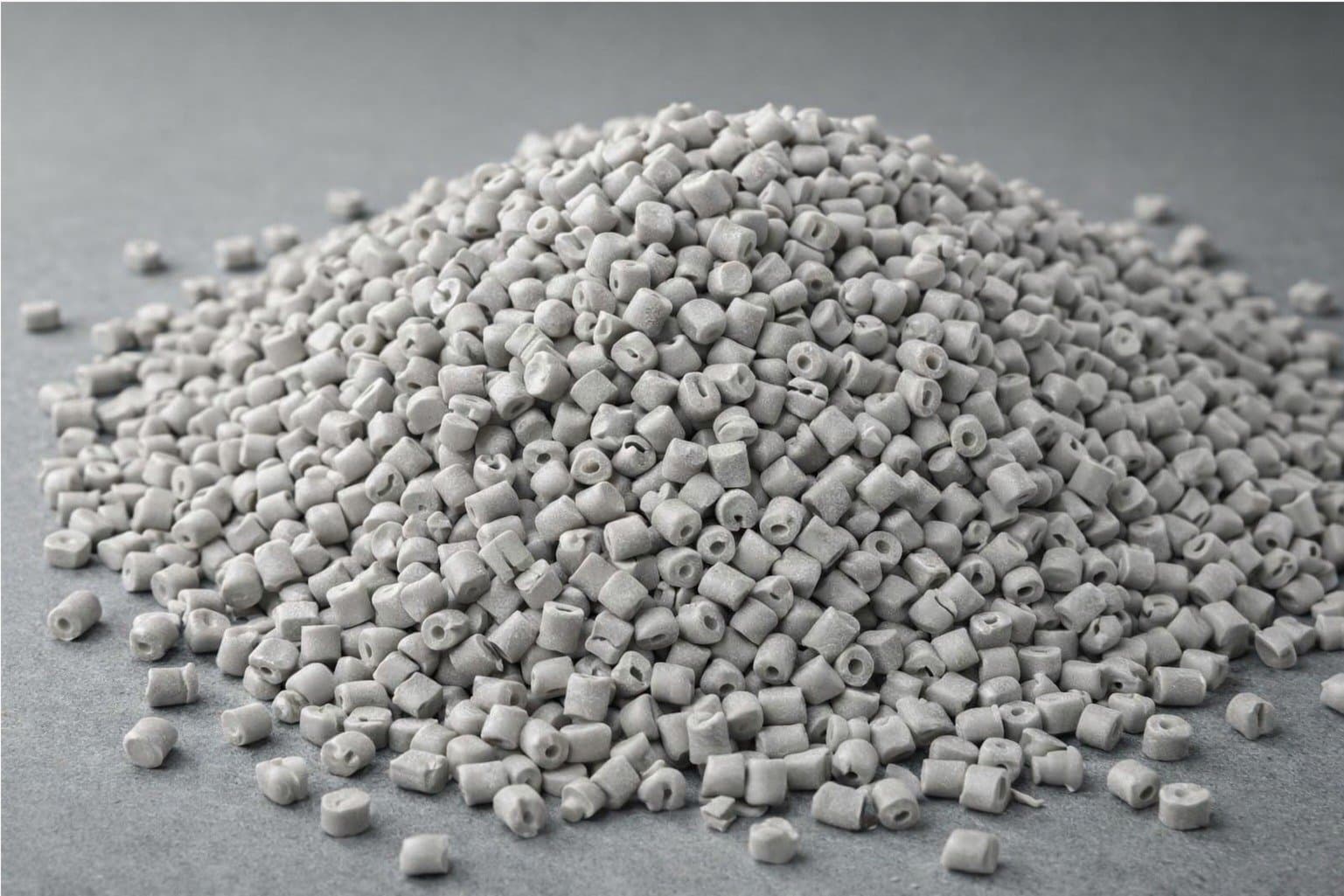
Polyolefins vs. engineering resins in the modern industrial cycle
The polymer processing sector sits at a critical intersection between cost efficiency and mechanical property optimization.
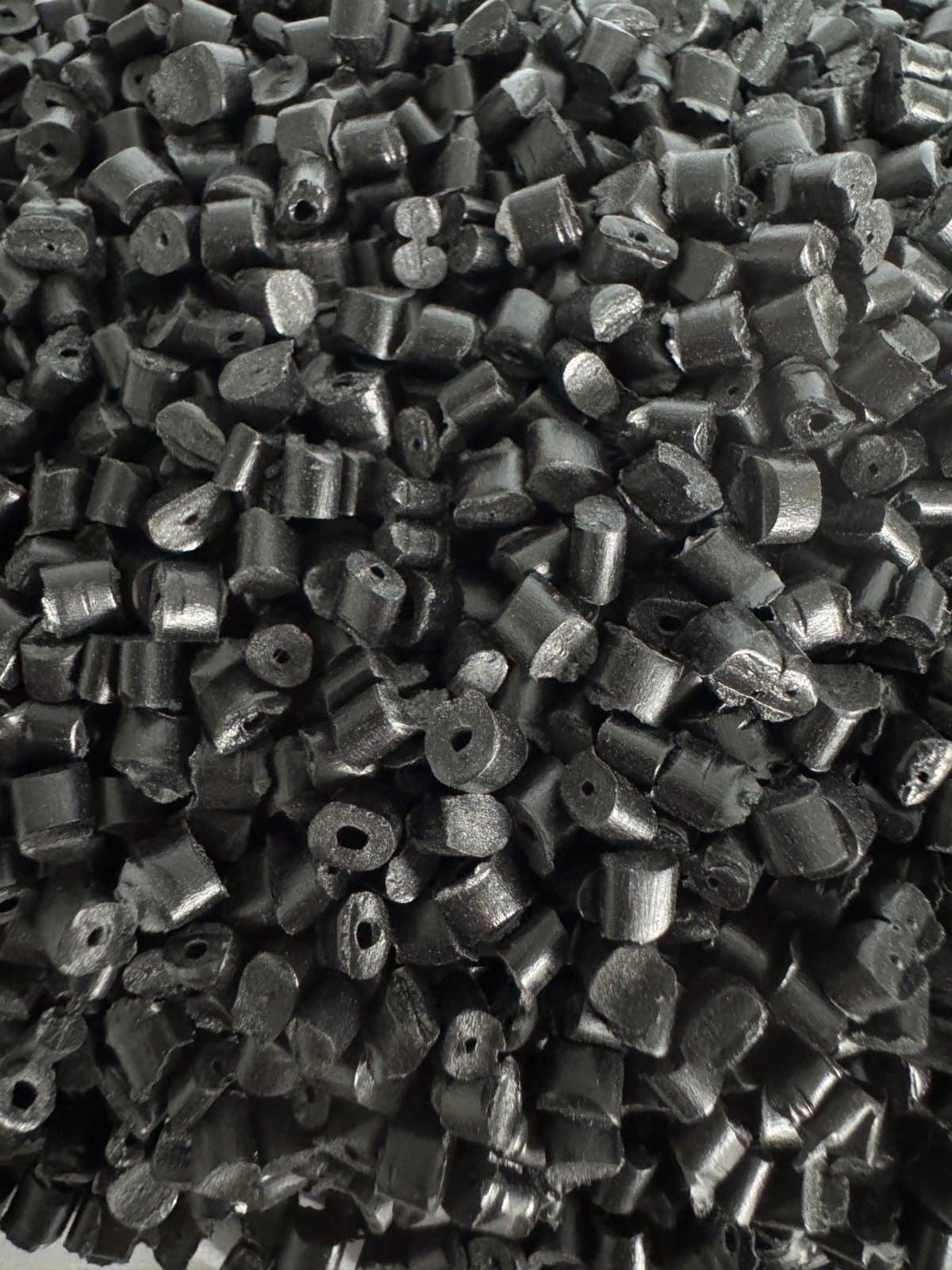
The polymer processing sector sits at a critical intersection between cost efficiency and mechanical property optimization. Two fundamental pillars support this industry: high-volume commodity polymers and high-performance polymers.
1. Polyolefin blends: the versatility of the carbon matrix
Polyolefin blends — polyethylene (PE) and polypropylene (PP) compounds — represent the core of the circular economy and mass production. They are characterized by their saturated hydrocarbon structure. Blending different grades, such as HDPE with LDPE or PP copolymers, allows the melt flow index (MFI) and impact resistance to be tuned.
- Industrial use: the backbone of packaging, fluid transport piping and geomembranes.
- The carbon black additive is not merely aesthetic: it acts as a critical UV stabilizer that prevents photochemical degradation outdoors.
- Key properties: excellent chemical resistance, low density and superior processability in extrusion and injection molding.
2. Engineering resins: pushing performance limits
Unlike conventional polyolefins, engineering resins are designed to withstand extreme thermal and mechanical stress. This category includes polyamides (nylon), polycarbonates (PC), ABS and POM. They are usually reinforced with mineral fillers or glass fibers to raise their heat deflection temperature (HDT).
- Precision applications: automotive (under-the-hood components), aerospace and electronics, where dimensional stability and creep resistance are non-negotiable.
- Technical differentiation: while polyolefins pursue economy, engineering resins pursue metal replacement with a far superior strength-to-weight ratio.